
The psychological effects of gambling unmasking the mind’s hidden traps
Understanding the Allure of Gambling
The world of gambling is often depicted as glamorous and exciting, luring individuals with the promise of quick rewards and thrilling experiences. This allure can be attributed to various psychological factors, including the thrill of risk-taking and the possibility of winning big. For many, the excitement associated with gambling provides an escape from daily routines, igniting feelings of euphoria that can be addictive in nature. Additionally, players can explore online payid casinos that offer unique experiences and benefits.
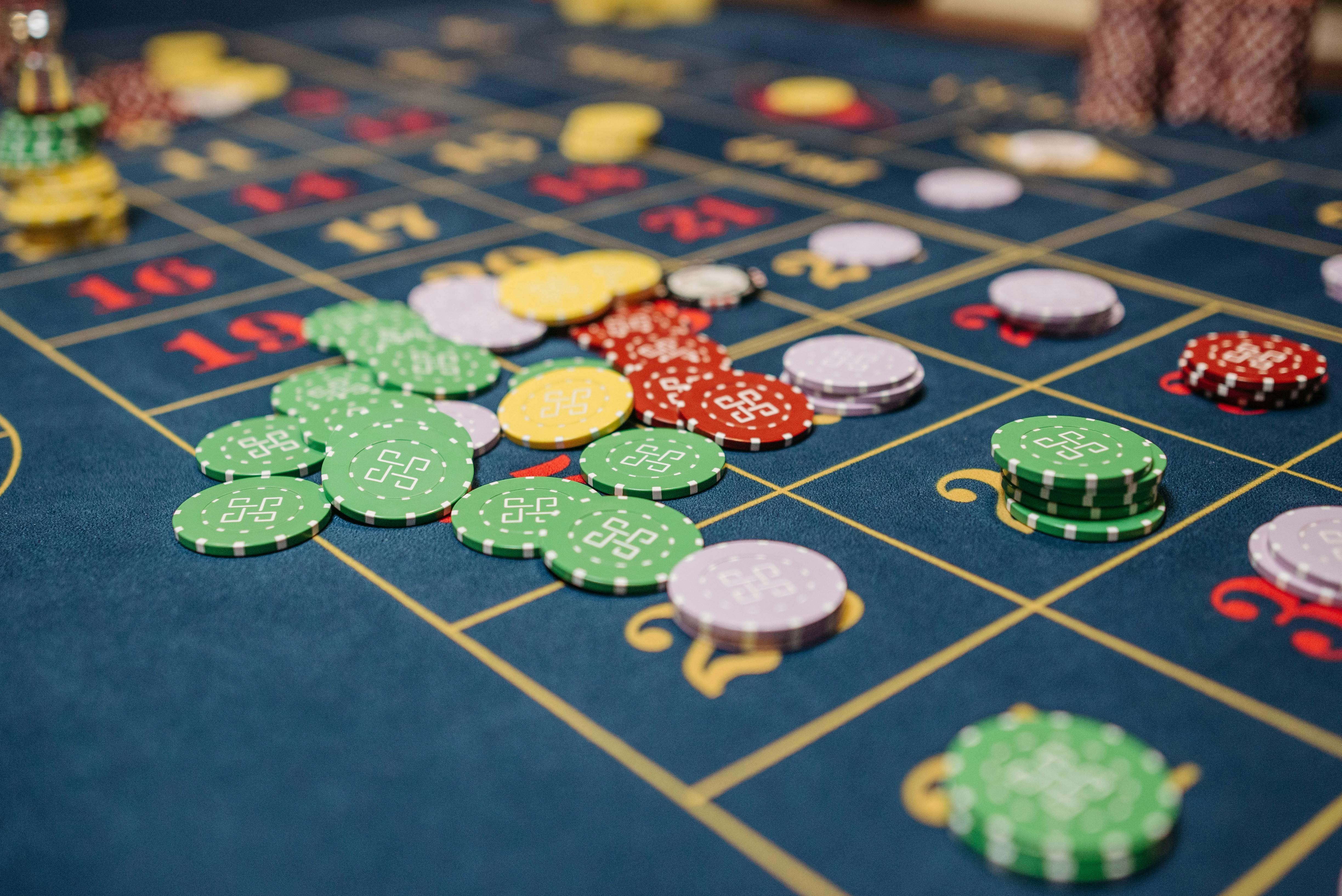
Moreover, gambling can create a false sense of control, where players believe they can influence the outcome through their decisions. This cognitive distortion keeps them engaged, leading to repeated attempts to chase losses. The psychological draw of gambling is further amplified by social interactions in casinos or online platforms, where camaraderie among players adds to the thrill and complicates the understanding of responsible gambling.
The Role of Cognitive Biases
Cognitive biases play a significant role in gambling behavior, often leading individuals to make irrational decisions. One common bias is the illusion of control, where gamblers overestimate their ability to predict outcomes. This distortion can compel players to gamble more, convinced that their next bet will yield favorable results. Consequently, this mindset often leads to escalating stakes and increased financial risk.
Another pervasive bias is the gambler’s fallacy, the belief that past events can influence future outcomes. For example, if a player experiences a series of losses, they may feel that a win is “due.” This misconception can perpetuate a cycle of gambling, as individuals become trapped in a mindset that neglects the randomness inherent in games of chance. Understanding these cognitive traps is essential for mitigating the psychological impact of gambling.
The Emotional Rollercoaster of Gambling
The emotional experience of gambling is complex and multifaceted. Initially, the thrill of placing a bet can evoke feelings of excitement and joy. However, as the outcomes fluctuate, these emotions can shift rapidly to anxiety, frustration, and despair. This rollercoaster of feelings can create a psychological dependency, where individuals continue to gamble in search of the high associated with winning.
In many cases, the emotional fallout from gambling can lead to serious mental health issues, including anxiety and depression. The stress from financial losses and relationship strain exacerbates these conditions, making it crucial for individuals to recognize their emotional responses. Learning to navigate these emotional highs and lows is vital for those seeking to maintain a healthy relationship with gambling.
The Social Implications of Gambling Addiction
The social consequences of gambling can be profound, affecting not only the individual but also their family and community. Many people struggling with gambling addiction may experience isolation, secrecy, and shame, which can strain relationships and lead to a withdrawal from social activities. As the addiction deepens, individuals may prioritize gambling over personal connections, resulting in a cycle of loneliness and despair.
Furthermore, the financial repercussions of gambling can have far-reaching effects on family dynamics and community stability. Individuals may resort to borrowing money or engaging in unethical behavior to fund their gambling habits, creating a ripple effect that impacts their loved ones. Addressing the social implications of gambling addiction is crucial for fostering healthier communities and supporting those in need.

Exploring Responsible Gambling Practices
Recognizing the psychological effects of gambling is essential for promoting responsible gaming. There are various strategies that individuals can adopt to mitigate the risks associated with gambling. Setting strict budgets, establishing time limits, and recognizing when to take breaks can all contribute to healthier gaming habits. Understanding one’s personal triggers is also vital in developing effective coping mechanisms.
At our website, we emphasize the importance of player safety and satisfaction in the gambling environment. We aim to provide comprehensive information about responsible gambling practices and resources for those who may be struggling. By fostering awareness of the psychological traps associated with gambling, we hope to guide players toward a more enjoyable and secure gaming experience.